If you’ve ever sat down to pray and thought…
What am I supposed to say?
Where do I even start?
Am I doing this right?
You are not alone.
For many people, prayer feels intimidating not because they don’t believe in it, but because they’re unsure how to actually DO it.
That’s where the A.C.T.S. model of prayer can be really helpful. It gives us a simple, helpful framework for prayer that reflects the patterns we see throughout Scripture.
This article contains affiliate links. This means if you click on a link and make a purchase, I may get a commission, but you will not be charged a penny more. Thanks for your support!
If you’re new to the topic of prayer, you may want to begin with my complete overview of the spiritual discipline of prayer. But here, we’re going to go deeper into why we should pray…
What does A.C.T.S. stand for?
A.C.T.S. represents four types of prayer we see woven throughout the whole of Scripture:
- Adoration – Praising God for who He is
- Confession – Acknowledging our sins and asking for forgiveness
- Thanksgiving – Thanking God for what He has done
- Supplication – Bringing our requests to God, for ourselves and others
Let’s look at each one more closely…
A – Adoration
Adoration means praising God simply for who he is.
Starting our prayers with adoration means we are starting our prayers by focusing on God and his character, and not on ourselves.
Before we bring our concerns, our requests, our agenda… we lift our eyes to who he is.
Adoration focuses on God’s character:
- His holiness
- His faithfulness
- His mercy
- His sovereignty
- His love
The Psalms are full of this:
“Great is the Lord and most worthy of praise; his greatness no one can fathom.” – Psalm 145:3 (NIV)
Jesus begins the Lord’s Prayer this way:
“Our Father in heaven, hallowed be your name.” – Matthew 6:9 (NIV)
“Hallowed” means holy. Set apart. Worthy.
Before any requests are made, God’s name is honoured.
Adoration reorients our hearts. It lifts our eyes from ourselves to God. It reminds us of His holiness, power, mercy and faithfulness. It reminds us who God is before we focus on what we need.
It shifts prayer from being self-centred to God-centred.
And that changes everything.
C – Confession
Confession is simply saying sorry to God for the things we have done wrong and asking for his forgiveness.
Confession can feel awkward and uncomfortable – but it is actually a gift.
John writes:
“If we confess our sins, he is faithful and just and will forgive us our sins and purify us from all unrighteousness.” – 1 John 1:9 (NIV)
When we confess our sins to God:
- We experience freedom from guilt, shame and feelings of unworthiness.
- We receive complete forgiveness.
- We grow in our relationship with God.
Confession is not about feeling ashamed and unworthy. It is about forgiveness, healing and restoration.
Confession also changes us. It helps us grow in humility, resist future temptations better and grow in Christlikeness.
T – Thanksgiving
Thanksgiving shifts our focus from what we DON’T have to what we DO have.
It helps us to better appreciate all the amazing things that God has already given us.
Paul writes:
“Give thanks in all circumstances; for this is God’s will for you in Christ Jesus.” – 1 Thessalonians 5:18 (NIV)
Even when we are going through difficult circumstances, we can still find things to thank God for.
Thanksgiving can include:
- Thanking God for salvation
- Thanking Him for answered prayer
- Thanking Him for daily provision
- Thanking Him for our relationship with him
Gratitude transforms our perspective.
Thanksgiving guards our hearts against entitlement and nurtures joy.
It reminds us that God has been faithful before and he will be faithful again.
S – Supplication
Supplication simply means asking.
This is often the part of prayer that comes most naturally to us.
And there’s nothing wrong with bringing requests to God.
Paul encourages this directly:
“In every situation, by prayer and petition, with thanksgiving, present your requests to God.” – Philippians 4:6 (NIV)
We are invited to pray for:
- Our daily needs
- Wisdom and guidance
- Strength in temptation
- Healing
- Other people (sometimes called “intercession”)
Jesus tells us plainly:
“Ask and it will be given to you; seek and you will find; knock and the door will be opened to you.” – Matthew 7:7 (NIV)
God is not irritated by our requests. He invites them.
But within the A.C.T.S. framework, supplication comes after adoration, confession and thanksgiving – which helps keep our requests rooted in God and his will, rather than fear, greed, worry, or our own agenda.
Why use the A.C.T.S. model?
A.C.T.S. is a really helpful model for prayer because it creates balance.
Without structure, many of us drift toward one type of prayer – usually supplication – and neglect the others.
A.C.T.S. helps us:
- Focus on God and his character before listing our needs
- Maintain humility through confession
- Cultivate gratitude
- Bring our requests to God in the light of who God is and what he has already done for us
In our busy modern world, structure can actually create freedom.
Instead of getting frustrated, distracted or running out of things to say, A.C.T.S gives is a plan that is balanced, God-focused and biblical.
It also helps us grow in our relationship with God…
Imagine a relationship where you only ever asked for things? Or just mumbled a few set phrases every day?
Now imagine a relationship where you say sorry when you’ve got things wrong, frequently praise the other person and thank them for things they have done… and also ask them for things.
You don’t need to be a trained relationship counsellor to know which relationship is more likely to flourish!
Is A.C.T.S. the “right” way to pray?
It’s important to say this clearly: The A.C.T.S. model is a tool – not a rule.
The Bible contains many different kinds of prayers:
Short, desperate cries (Nehemiah 2:4)
Long intercessory prayers (Daniel 9)
Songs of praise (Psalm 103)
Laments (Psalm 13)
Silent groaning (Romans 8:26)
Prayer should be a conversation with our loving heavenly father, not a formulaic ritual.
But when you don’t know where to start, A.C.T.S. provides helpful structure.
If prayer feels overwhelming or confusing, having a simple structure can remove the barrier of “I don’t know what to say”.
And it ensures that over time, your prayer life includes the full range of biblical prayer – not just requests.
A simple way to practise A.C.T.S.
If you want to try this model, here’s one simple approach…
Spend a couple of minutes in each section and remember – it doesn’t need to be eloquent – it just needs to be honest.
Adoration
Praise God for who he is. Try to include as many of his attributes as you can think of.
For example:
“Lord, You are faithful… You are patient and kind… You are sovereign over every detail of my life.”
Confession
Ask the Holy Spirit to highlight anything that needs repentance.
Think over the last few days…
- Have you said or done anything unkind?
- Have you lied about anything?
- Have you made something an idol – maybe money, possessions, success, “likes”, or how you look?
- Have you been selfish?
- Have you put your own agenda ahead of God’s agenda?
Say sorry to God and ask for his forgiveness.
And remember:
“If we confess our sins, he is faithful and just and will forgive us our sins and purify us from all unrighteousness.” – 1 John 1:9 (NIV)
Depending on what you have done, you may also need to say sorry to the person you have wronged and perhaps also make amends. Ask God for his strength to do that, and for his wisdom about how to do it in the right way. (And don’t forget to actually do it – as soon as possible after your prayer time!)
Thanksgiving
Now thank God for all the things he has given you and done for you – big and small!
For example:
“Lord, thank you for my family, thank you for my health, thank you for my church, thank you for helping me with that work problem yesterday, thank you for creating me…”
Try to thank God for as many things as you can!
Supplication
Finally bring your requests to God – for both yourself and others.
When it comes to praying for others, you might find it helpful to have a plan, so that you pray for different things on different days.
For example:
Monday: Your family
Tuesday: Your friends + people who aren’t yet Christians
Wednesday: Your church + its leaders
Thursday: Any specific areas of ministry you’re involved in
Friday: Your city, town or village
Saturday: Your country + its leaders
Sunday: The world – especially conflicts, war, poverty and suffering
Final thoughts
The A.C.T.S. model isn’t about praying “perfectly”.
It’s simply a helpful tool to help you keep your prayers balanced and God-focused.
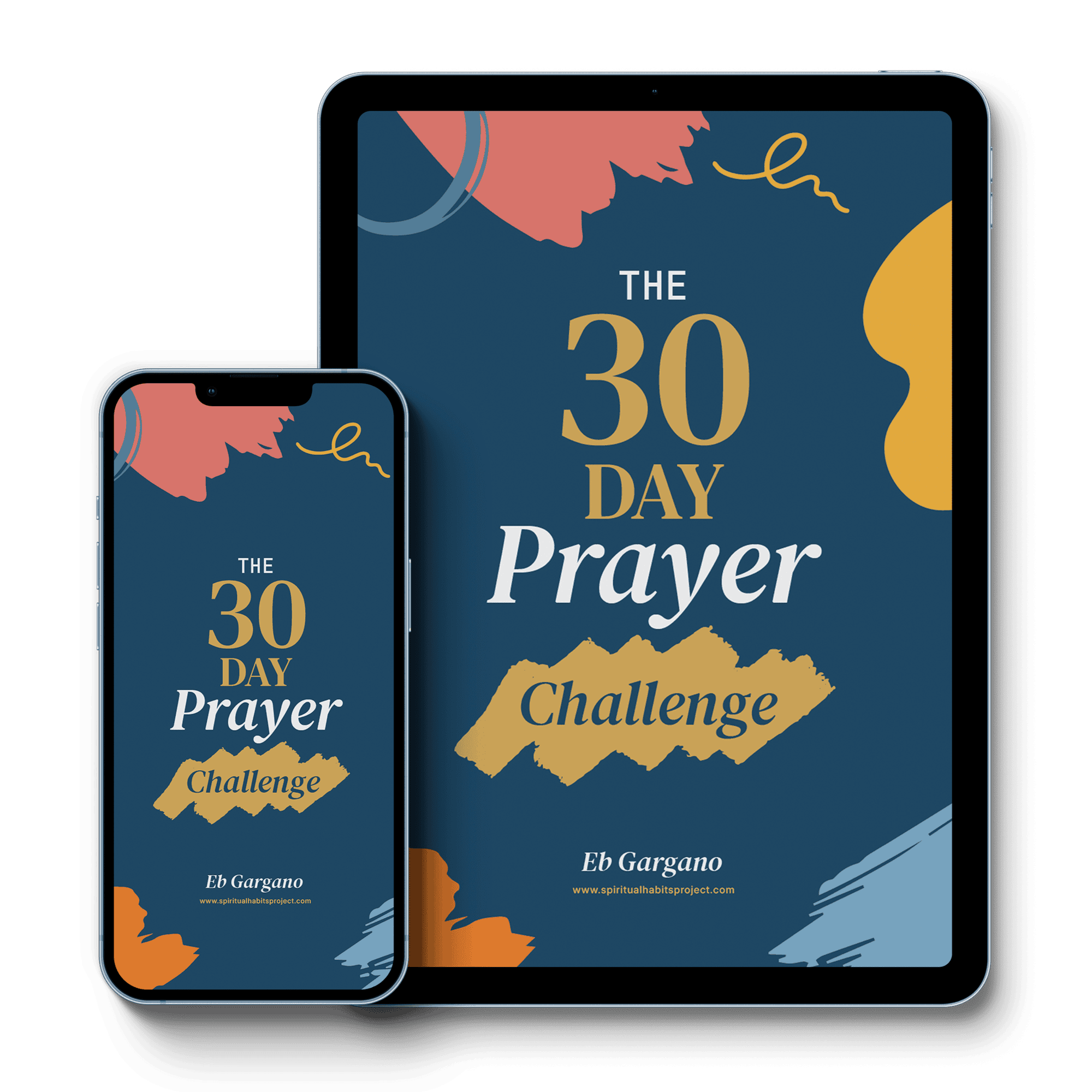
Your next step: The 30 Day Prayer Challenge
If you want help building a consistent prayer habit, I invite you to join the 30 Day Prayer Challenge.
Each day includes:
- A short Scripture passage to read
- A brief teaching on the passage
- A guided prayer activity
- A short prayer-related challenge to do at another point in the day
- Reflection questions to help you track your growth
In just 30 days, you’ll begin to build a foundation for a steady, sustainable prayer life.
Join the 30 Day Prayer Challenge
Recommended books on prayer
- How to Pray: A Simple Guide for Normal People – Pete Greig
- Praying Like Monks, Living Like Fools – Tyler Staton
- Prayer: Experiencing Awe and Intimacy with God – Timothy Keller
READ MORE >>> Recommended books on prayer
Pin this article
Scripture copyright and permissions
For information about the Bible translations used on this website and their copyright notices, please see the Scripture copyright and permissions page.